The Karate Kid at the Palace Theatre
The nostalgia lands beautifully, but it’s the tenderness at the heart of Daniel and Miyagi’s relationship that gives the show real depth.

There’s always a risk - when adapting a cult 80s classic for the stage - that a production can lean too heavily on nostalgia. But The Karate Kid – The Musical at the Palace Theatre proves surprisingly heartfelt, funny and crowd-pleasing - even if its new soundtrack never quite matches the emotional original of the beloved film.
Judging by the standing ovation on press night, audiences were more than happy to overlook this. The theatre was packed with families and longtime fans of the original film, who greeted Daniel LaRusso’s underdog journey with audible laughs, cheers and waves of recognition whenever one of the movie’s iconic lines landed. And yes - all the favourites are here: “Wax on, wax off”, catching flies with chopsticks, Daniel arriving at the high school disco wrapped in a shower curtain, the Cobra Kai skeleton costumes and the careful trimming of bonsai trees. Assured and slick, this production knows exactly why audiences fell in love with the original film in the first place.
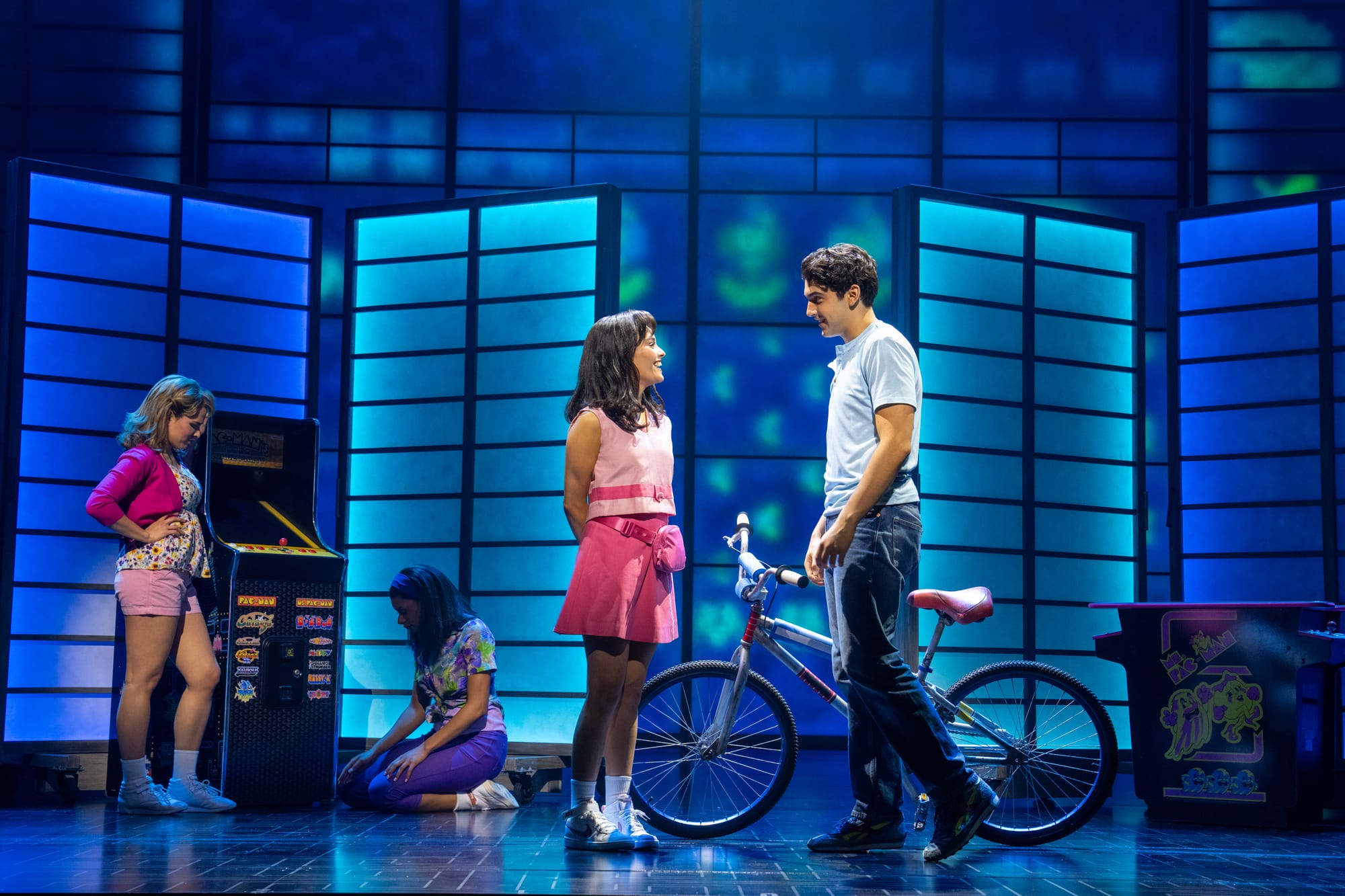
The casting is superb. Adrian Pang is excellent as Mr Miyagi, capturing the gentle humour, wisdom and quiet melancholy of the karate master without slipping into parody. Gino Ochello brings an expressive physicality to Daniel, balancing teenage awkwardness with genuine emotional vulnerability, while Abigail Amin brings warmth and vitality to Ali, allowing the character to truly bloom on stage. Meanwhile, Matt Mills leans so convincingly into villainous Cobra Kai sensei John Kreese that he almost draws boos from the audience.
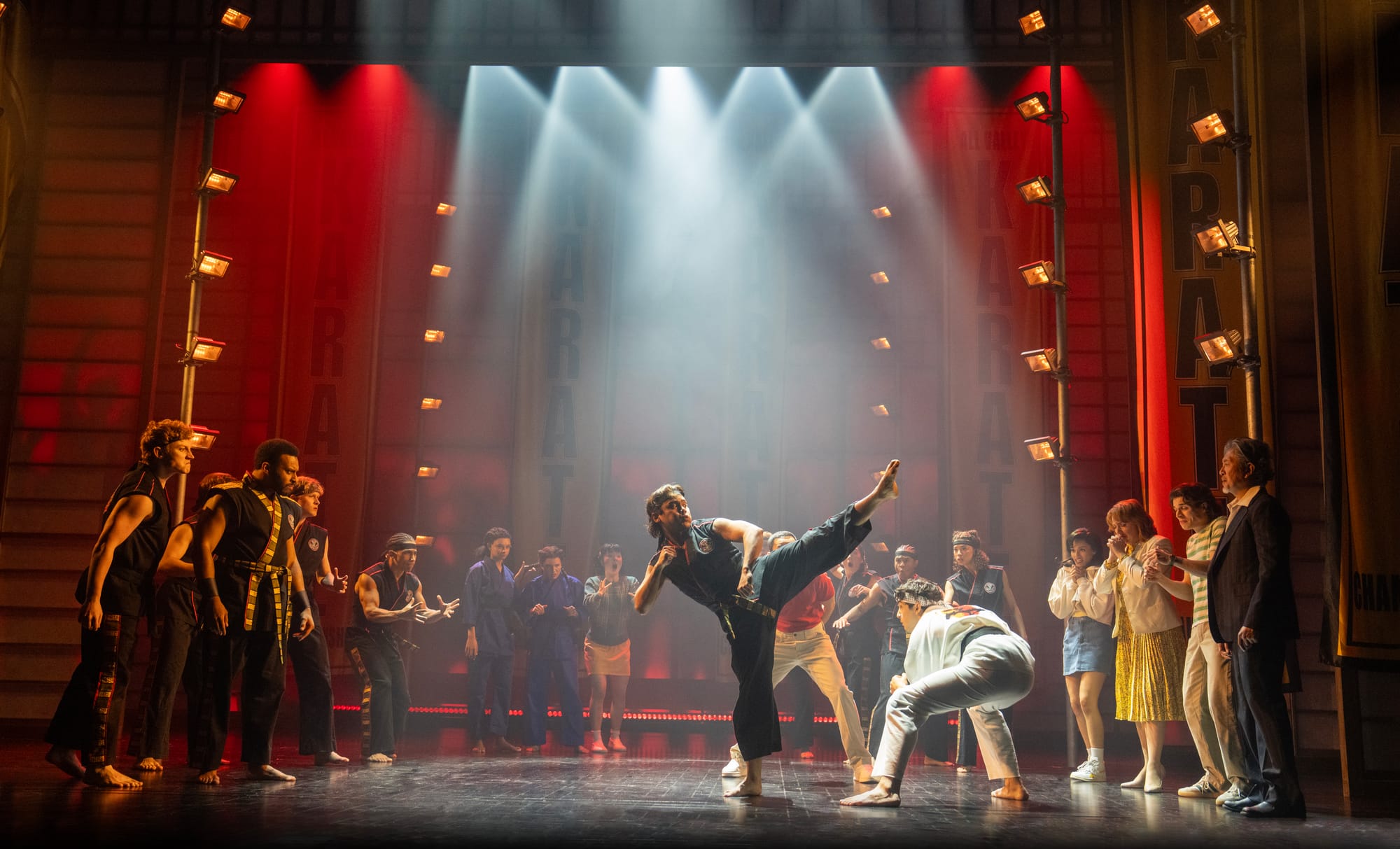
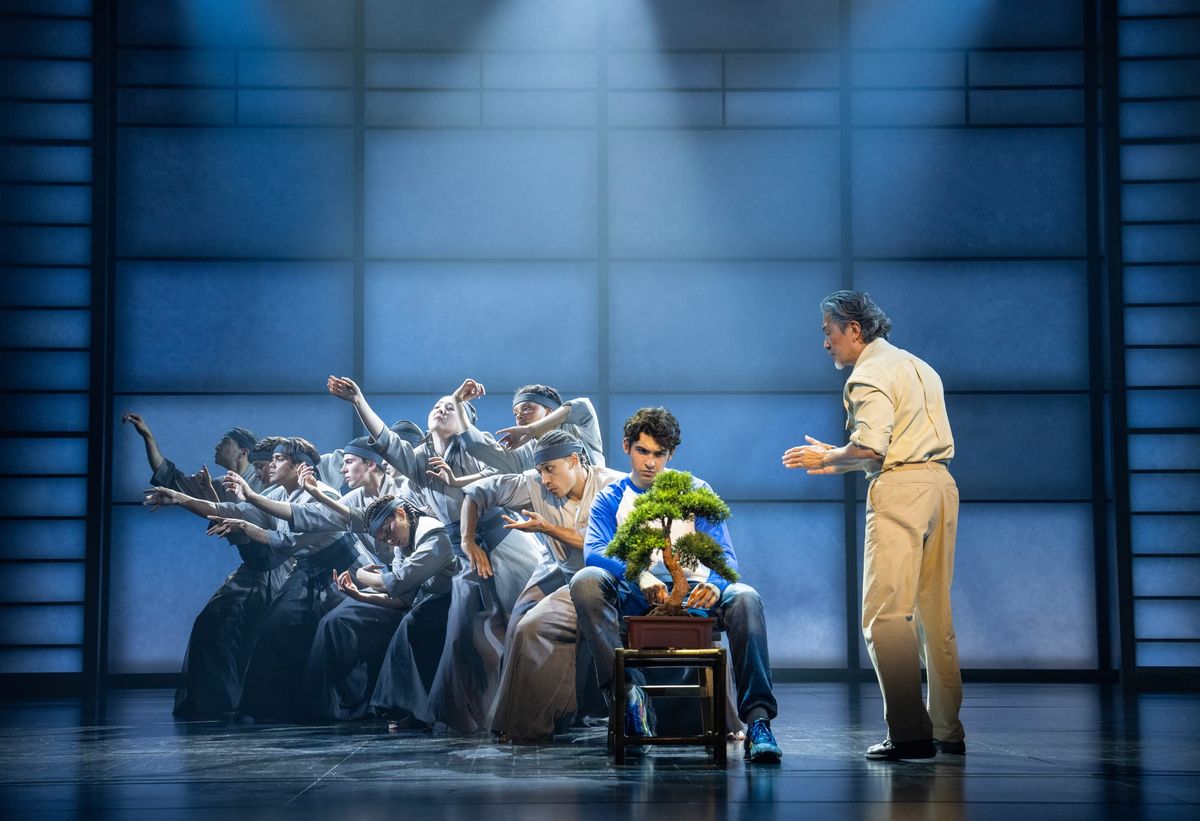
What works best on stage is the choreography. The ensemble move fluidly with the action, particularly during Miyagi’s scenes, where movement and dance hint at the character’s Okinawan heritage and quiet spiritual power. A beautifully staged bonsai-tree sequence stands out, while a split-stage training montage - contrasting Miyagi’s patient philosophy with Cobra Kai’s aggressive brutality - becomes one of the production’s most effective moments.
The new soundtrack is less successful. Despite occasional flashes of 80s energy, the score often feels repetitive and oddly one-note, particularly in contrast to the film’s instantly recognisable soundtrack. And while the final All Valley Championship delivers plenty of excitement, the emotional tension doesn’t quite build with the same satisfying momentum as it does on screen.
Still, beneath the crowd-pleasing familiarity sits something unexpectedly tender. Watching Daniel and Miyagi’s relationship unfold on stage gives greater weight to their shared grief and loneliness - two characters shaped by absence, quietly finding in one another the father-and-son bond each has lost. More than anything, this adaptation understands why The Karate Kid continues to resonate across generations: beneath the karate and nostalgia sits a story about grief, mentorship, compassion and the quiet search for human connection.